
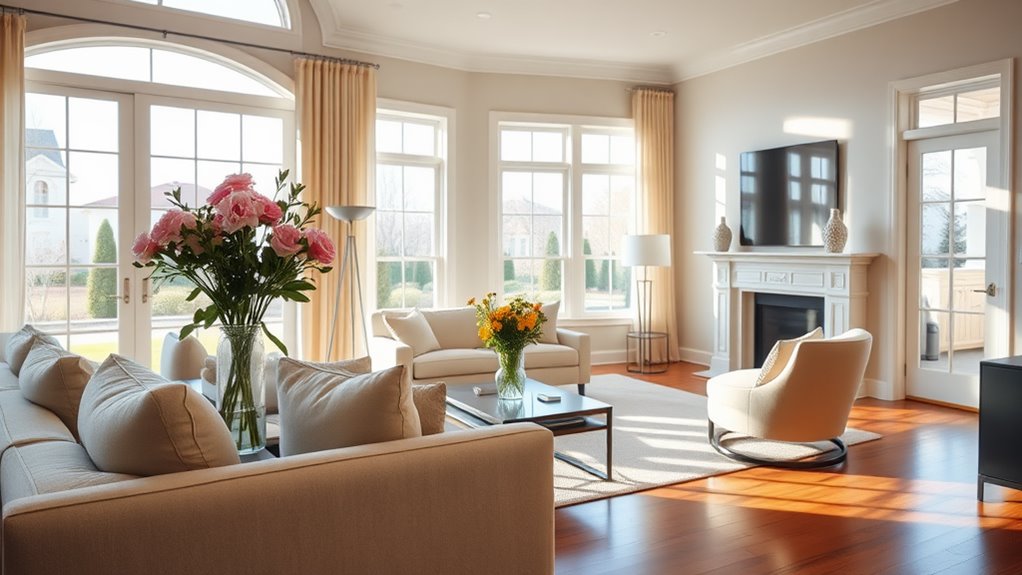
The best marketing strategies for selling your home include comprehending your target market and utilizing professional photography. Leverage social media platforms to reach potential buyers effectively. Optimize online listings with high-quality visuals and engaging descriptions. Creating virtual tours can provide immersive experiences that appeal to buyers. Hosting open houses with interactive features improves buyer engagement. Moreover, implementing segmented email marketing campaigns keeps potential buyers informed. Partnering with real estate agents can provide expertise and resources. By combining these strategies, you can maximize your home's visibility and attract more qualified buyers. Discover further insights on improving your marketing approach.
Understand Your Target Market
Grasping your target market is fundamental when selling your home, as it allows you to tailor your marketing strategies effectively. Recognizing who is most likely to purchase your property can considerably improve your sales potential. Conducting a thorough demographic analysis enables you to identify key characteristics of prospective buyers, such as age, income level, family size, and lifestyle preferences. This information is essential for determining how to position your home in the marketplace.
Furthermore, staying informed of current market trends is critical for making informed decisions. Analyzing trends can reveal what features are most attractive to buyers in your area, such as energy efficiency, outdoor space, or proximity to schools. By aligning your home's selling points with these trends, you can create a compelling narrative that resonates with potential buyers, increasing the likelihood of a successful sale.
To gain a wide-ranging comprehension of your target market, consider conducting surveys or engaging with local real estate professionals who can provide insights based on their experiences. This proactive approach allows you to refine your marketing strategies, focusing on the aspects of your home that will appeal most to your desired demographic.
Ultimately, a well-informed strategy based on demographic analysis and market trends empowers you to take control of the selling process. By knowing your audience, you can market your home more effectively, ensuring that it stands out in a competitive environment and meets the demands of potential buyers.
Utilize Professional Photography
Capturing the attention of your target market begins with high-quality visuals that showcase your home's best features. Professional photography is an essential tool in the real estate sector, as it can greatly boost your property's appeal. By investing in skilled photographers who specialize in real estate, you guarantee that every angle and detail is presented in the most flattering light.
Home staging plays an important role in this process. It improves the overall aesthetic, allowing potential buyers to envision themselves in the space. A well-staged home combined with professional photography creates an inviting atmosphere that can evoke emotional responses. These visuals should not merely document your property; they must tell a story that resonates with prospective buyers.
Lifestyle photography can further improve this narrative. By capturing images that reflect how the home can be lived in, rather than just viewed, you create a compelling vision for potential clients. This approach allows them to visualize their own lives unfolding within those walls, nurturing a deeper connection to the property.
Leverage Social Media Platforms
Social media platforms have become indispensable tools for marketing real estate, offering a dynamic way to reach a broad audience. By utilizing the strength of these platforms, homeowners can exert greater control over their marketing strategies, ensuring their property garners the attention it deserves. Social media advertising enables sellers to create targeted campaigns that reach prospective buyers based on demographics, interests, and behaviors, thereby maximizing the effectiveness of each marketing dollar spent.
Engaging visuals are paramount in social media posts, and homeowners should leverage professional photography to showcase their property's best features. Furthermore, incorporating video tours can offer an immersive experience that static images cannot match. Consistency in posting is key; regular updates keep potential buyers engaged and informed.
Influencer partnerships can also greatly improve your marketing reach. Collaborating with local influencers who have a strong online presence can introduce your property to a wider audience. These influencers can create authentic content that highlights the unique aspects of your home, increasing the likelihood of attracting interested buyers.
Moreover, utilizing user-generated content encourages engagement from your audience. Encourage followers to share their experiences or opinions about your property, creating a sense of community around your listing. By strategically utilizing social media platforms, you can take charge of your home-selling process and increase the likelihood of a successful sale. Remember, the more targeted and engaging your approach, the more control you have over your property's visibility in a competitive market.
Optimize Online Listings
To attract potential buyers, optimizing online listings is vital. High-quality photos showcase the property's best features, whereas compelling property descriptions provide critical details that engage prospective homeowners. Together, these elements create an enchanting online presence that can greatly influence buyer interest.
High-Quality Photos
Even though high-quality photos are essential for attracting potential buyers, they likewise serve as a vital differentiator in the competitive real estate market. High-resolution images effectively showcase your property's highlights, offering a visual narrative that draws in prospective buyers. In an era where first impressions count greatly, investing in professional photography can yield considerable returns.
To optimize your online listings, consider the following:
- Wide-Angle Shots: Capture the entirety of each room to provide a spacious feel.
- Natural Lighting: Utilize natural light to improve the warmth and appeal of your home.
- Highlight Unique Features: Focus on architectural details or special amenities that set your property apart.
- Seasonal Appeal: Showcase your home during its most favorable season to entice buyers.
- Consistent Style: Maintain a cohesive aesthetic throughout your images for a polished presentation.
Compelling Property Descriptions
Crafting compelling property descriptions is vital for capturing the attention of potential buyers, as these narratives both inform and inspire emotions. A well-written description not only highlights the property's features but furthermore transforms a mere listing into a lively invitation for prospective homeowners.
Utilizing creative language is fundamental in this process. Instead of simply stating facts, evoke imagery that allows buyers to envision their lives within the home. For instance, instead of describing a kitchen as "large," portray it as a "spacious culinary haven perfect for family gatherings and entertaining friends."
Incorporating an emotional appeal can further improve your description. Connect with buyers by addressing their desires—mentioning cozy evenings by the fireplace or sunlit mornings on the patio can create a longing for the lifestyle your property offers.
Additionally, guarantee that the description is concise yet thorough. Highlight unique selling points, such as location benefits, recent renovations, or community amenities, while maintaining clarity. By perfecting the art of compelling property descriptions, you empower yourself to stand out in a competitive market, eventually driving interest and encouraging potential buyers to take action.
Create Virtual Tours
Virtual tours have transformed the way potential buyers experience a property, offering an immersive glimpse into a home without the need for physical presence. By utilizing advanced technology, sellers can showcase their homes through engaging 360-degree views and interactive elements, allowing buyers to explore every corner at their own pace. This level of control improves the decision-making process, making it easier for buyers to envision themselves living in the space.
To effectively create virtual tours, consider the following strategies:
- High-Quality Imagery: Invest in professional photography to guarantee that your virtual tour captures the home's best features.
- User-Friendly Navigation: Confirm that the tour is easy to navigate, with intuitive controls that allow users to move seamlessly through the property.
- Detailed Descriptions: Accompany each view with informative text that highlights key features and unique selling points.
- Floor Plans: Integrate floor plans into the virtual tour for a thorough comprehension of the home's layout.
- Interactive Features: Incorporate interactive elements such as clickable hotspots that provide additional information or photos of specific areas.
Stage Your Home Effectively
Staging your home effectively is essential for making a strong impression on potential buyers. Begin by decluttering and depersonalizing the space to create an inviting atmosphere that allows buyers to envision themselves in the home. Furthermore, enhancing curb appeal can greatly boost first impressions, making your property more attractive right from the start.
Declutter and Depersonalize
An effective way to improve your home's appeal to potential buyers is by decluttering and depersonalizing the space. This process not only improves the visual appeal but additionally allows buyers to envision themselves living in the environment. A clean, organized home promotes an emotional connection, making it easier for prospective buyers to visualize their life within your walls.
To achieve an inviting atmosphere, consider the following steps:
- Remove personal photographs and memorabilia
- Clear countertops and surfaces of unnecessary items
- Organize closets and storage areas to showcase space
- Implement minimalist decor to create an open feel
- Deep clean to improve overall presentation
Enhance Curb Appeal
Though the interior of your home is crucial, the first impression begins at the curb, making curb appeal a fundamental aspect of effective home staging. Potential buyers often form their opinions within seconds of seeing your property. As a result, improving curb appeal allows you to wield control over their initial perception.
Start with landscaping improvements. Well-maintained gardens, trimmed hedges, and lively flowerbeds can greatly boost your home's exterior. Consider adding fresh mulch or seasonal plants to create a welcoming atmosphere. Furthermore, make certain that your lawn is manicured, as a lush green yard can be an influential draw.
Next, invest in exterior lighting. Strategic placement of lights can highlight architectural features and provide safety for evening viewings. Consider installing pathway lights or accentuating trees and shrubs with spotlights. Such improvements not only beautify your home but also create an inviting ambiance.
Finally, make sure that your front door is inviting; a fresh coat of paint or new hardware can make a notable difference. By focusing on these elements, you can effectively improve your home's curb appeal, making sure that potential buyers feel compelled to step inside and explore further.
Host Engaging Open Houses
To effectively capture potential buyers' interest, hosting engaging open houses is vital in the home-selling process. A well-executed open house not just showcases the property but additionally creates an inviting atmosphere that encourages interaction. By implementing creative themes and incorporating interactive elements, you can greatly improve the appeal of your event.
Consider the following strategies to make your open house unforgettable:
- Thematic Decor: Choose a creative theme that complements the home's style, such as a cozy farmhouse or modern urban chic. This sets the tone and allows potential buyers to envision themselves living there.
- Guided Tours: Offer guided tours to highlight key features and unique selling points of the property. This personal touch helps buyers feel more connected.
- Interactive Stations: Set up interactive elements, such as a DIY coffee bar or a virtual reality tour of the neighborhood. This engages visitors and provides them with a memorable experience.
- Informative Materials: Provide brochures and fact sheets that outline the home's amenities and surrounding community features. This empowers buyers with vital information.
- Feedback Opportunities: Encourage attendees to leave feedback or ask questions during the event. This not just demonstrates your attentiveness but also allows for valuable insights.
Implement Email Marketing Campaigns
Effective communication is crucial in today's competitive real estate market, and implementing targeted email marketing campaigns can substantially improve your home-selling efforts. By leveraging email segmentation strategies, you can tailor your messages to specific audiences, ensuring that each potential buyer receives relevant information that speaks to their interests and needs.
A well-structured email marketing campaign not only highlights your property but additionally builds relationships with potential buyers through personalized communication. Automated follow-up messages are particularly effective; they keep your listing top-of-mind without requiring constant manual effort.
Here's a simple table to outline key elements of an effective email marketing campaign:
| Element | Description | Benefits |
|---|---|---|
| Target Audience | Segment your list based on buyer preferences | Higher engagement and conversion rates |
| Content Strategy | Provide valuable information and updates | Builds trust and authority |
| Follow-Up Plan | Schedule automated follow-ups | Maintains interest and urgency |
Partner With Real Estate Agents
Partnering with experienced real estate agents can greatly improve your home-selling process. These professionals possess the market knowledge, negotiation skills, and industry connections necessary to maximize your selling potential. Engaging in real estate partnerships provides you with access to resources that can make a significant difference in your transaction's success.
Consider the following advantages of collaborating with a real estate agent:
- Market Expertise: Agents have a deep comprehension of local market trends, helping you set a competitive price.
- Negotiation Skills: They are seasoned negotiators who can advocate for your interests and help you secure the best deal.
- Marketing Resources: Agents often have access to extensive marketing tools and platforms, reaching a broader audience than you might achieve independently.
- Time-Saving: Delegating tasks such as showings and paperwork allows you to focus on other priorities as well as ensuring your home is marketed effectively.
- Network Connections: Established agents have connections with potential buyers and other professionals in the industry, increasing your home's visibility.
Although agent commission may seem like a drawback, think of it as an investment in expertise that can yield a higher selling price. The right real estate partnership can eventually lead to a smoother process and a more profitable outcome. By leveraging the skills of a qualified agent, you maintain control over your sale as you benefit from their specialized knowledge.
Use Traditional Advertising Methods
Traditional advertising methods remain effective tools for promoting your home in a competitive market. Utilizing print media advertising, direct mail campaigns, and hosting open house events can greatly improve visibility and attract potential buyers. Each of these strategies offers unique advantages that can complement your overall marketing plan.
Print Media Advertising
Many homeowners overlook the potential of print media advertising for selling their property, yet it remains a potent tool in reaching specific demographics. The effectiveness of print advertising lies in its ability to deliver tangible, visual messages that can resonate deeply with potential buyers. As digital marketing is prevalent, current print media trends indicate that many consumers still appreciate traditional methods, particularly regarding significant purchases like real estate.
Consider incorporating the following print advertising strategies:
- High-quality brochures showcasing your home's best features.
- Posters or flyers distributed in local cafes and community centers.
- Real estate magazines with targeted readerships in your area.
- Direct mail postcards to neighborhoods with potential buyers.
- Open house invitations sent through local newspapers.
Direct Mail Campaigns
An effective direct mail campaign can markedly improve your home's visibility in the real estate market. By strategically utilizing direct mail design, you can create visually appealing materials that capture potential buyers' attention. This form of marketing allows you to maintain control over your messaging, ensuring it aligns with your selling objectives.
Targeted messaging is essential in a direct mail campaign. Instead of sending generic flyers to a wide audience, focus on demographics that are most likely to be interested in your property. This can include local families, first-time homebuyers, or investors looking for rental opportunities. Tailoring your message not only boosts engagement but also increases the likelihood of generating quality leads.
Incorporate compelling visuals and clear calls to action in your direct mail pieces. Highlight your home's unique features and the benefits of the neighborhood, creating a narrative that resonates with your target audience. By measuring the response rates of your campaign, you can refine your approach and maximize your return on investment. Overall, a well-executed direct mail campaign empowers you to take charge of your home-selling process, ensuring your property stands out in a competitive market.
Open House Events
How can open house events improve your home-selling strategy? By leveraging traditional advertising methods, open houses can greatly improve your visibility in the competitive real estate market. These events not only allow potential buyers to explore your property firsthand but also create a welcoming environment that nurtures emotional connections.
To maximize the impact of your open house, consider these crucial open house tips:
- Strategic Timing: Schedule your event during peak hours to attract the most visitors.
- Effective Signage: Use clear and eye-catching signs to guide potential buyers to your home.
- Targeted Invitations: Send personalized invitations to local residents and real estate agents to boost attendance through direct event promotions.
- Staging the Property: Confirm your home is well-staged to highlight its strengths and charm.
- Follow-Up: Collect contact information from visitors for future outreach and feedback.
Frequently Asked Questions
How Do I Determine the Right Asking Price for My Home?
Determining the right asking price for your home requires a thorough market analysis. This involves evaluating recent sales of comparable properties in your area, grasping current market trends, and considering unique features of your home. Implementing effective pricing strategies, such as setting a competitive price slightly below market value or using psychological pricing, can attract potential buyers. In the end, a well-informed pricing decision empowers you to maintain control over the selling process and maximize your investment.
What Should I Disclose to Potential Buyers About My Home?
When preparing to reveal your home to potential buyers, consider this: transparency is your greatest ally! Disclose any pertinent details, including past home inspections and any legal obligations tied to the property. This proactive approach not solely builds trust but additionally empowers you as a seller. Remember, withholding information can lead to complications down the line, so embrace honesty to maintain control over the selling process and guarantee a smooth transaction.
How Long Does It Typically Take to Sell a Home?
The typical timeframe for selling a home varies considerably based on market trends and seller motivation. In a seller's market, homes can sell within a matter of days, whereas in a buyer's market, the process may extend to several months. Factors such as pricing strategy, property condition, and local demand likewise play essential roles. Comprehending these dynamics allows sellers to exert greater control over the selling process and optimize their outcomes.
Should I Make Repairs Before Selling My Home?
Repairs can greatly influence the sale of your home, prompting prudent property owners to ponder repair priorities. Addressing critical issues may improve appeal and value, yet it is vital to balance renovation costs against potential returns. Consider focusing on high-impact repairs that resonate with buyers, as you avoid over-investing in minor fixes. In the end, a strategic approach will empower you to make informed decisions, ensuring your home stands out in a competitive market.
What Are Common Mistakes to Avoid When Selling My Home?
When selling your home, it is essential to avoid common mistakes that can hinder your success. One prevalent issue is staging mistakes, where homes are either over-styled or not presented to accentuate their best features. Furthermore, pricing pitfalls can deter potential buyers; setting an unrealistic price may lead to extended market time and decreased interest. By addressing these areas, you can maintain control over the selling process and improve the attractiveness of your property.
About the Author