
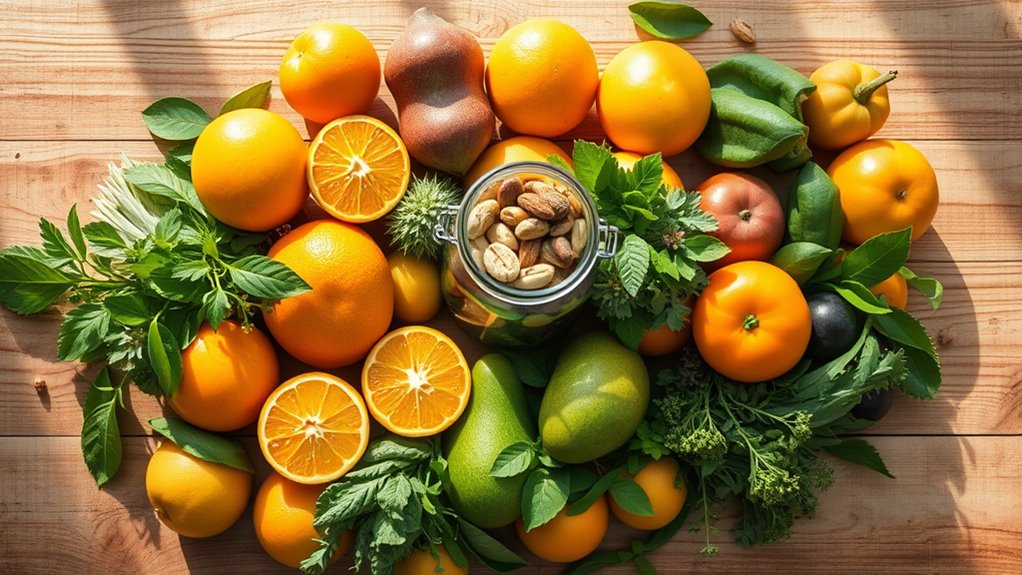
Vitamins and minerals play an important role in your overall wellness, supporting countless bodily functions. Vitamins A, C, D, and E improve your immune system, boost energy levels, and promote skin health. Minerals like calcium and magnesium are critical for strong bones and muscle function. When you're deficient in these nutrients, you might experience fatigue, weakened immunity, or mood disorders. Incorporating a balanced intake of vitamins and minerals through diet or supplements can greatly improve your health. Comprehending their significant roles can empower you to make informed choices about your nutrition. There's much more to uncover about these nutrients and how they benefit you.
Importance of Vitamins and Minerals
Though you may not think about them daily, vitamins and minerals play an important role in your overall wellness. They're the unsung heroes that keep your body functioning effectively, helping you serve others better. Ensuring you get the right balance of these nutrients isn't just about you; it's about empowering those around you. When you're at your best, you can give your time and energy to those who need it most.
Understanding vitamin absorption is significant. Your body needs certain fats to absorb fat-soluble vitamins like A, D, E, and K. Without proper absorption, these crucial nutrients won't benefit you or your loved ones. Think about incorporating healthy fats, such as avocados or nuts, into your meals to improve absorption.
Mineral interactions too play a key role in your health. Some minerals, like calcium and magnesium, work together to support various bodily functions. If you neglect one, it can affect the other. This interconnectedness means you must prioritize a balanced intake of both vitamins and minerals.
Key Vitamins for Overall Health
When you consider your overall health, certain vitamins stand out as fundamental for maintaining energy and well-being. These indispensable nutrients not just support your body's functions but additionally improve your ability to serve others effectively. Grasping the importance of proper vitamin absorption and how vitamins work in mineral synergy can help you optimize your health.
Here's a quick overview of key vitamins important for your overall health:
| Vitamin | Benefits |
|---|---|
| Vitamin A | Supports vision and immune function |
| Vitamin C | Aids in collagen production and boosts immunity |
| Vitamin D | Improves calcium absorption for strong bones |
| Vitamin E | Acts as an antioxidant and supports skin health |
Focusing on these vitamins can lead to improved energy levels and a stronger immune system. For instance, Vitamin D is indispensable, especially if you're serving in roles that require physical activity; it helps your body absorb calcium, promoting strong bones. Similarly, Vitamin C plays a role in healing and helps you bounce back quickly when you're under stress.
Essential Minerals and Their Functions
While vitamins are important for your health, fundamental minerals play an equally significant role in maintaining overall wellness. These indispensable minerals are critical for various bodily functions, and comprehending them can help you serve others more effectively.
Calcium, for instance, is well-known for its benefits, especially in supporting strong bones and teeth. It's also necessary for muscle function, nerve signaling, and even blood clotting. By ensuring you and those around you get enough calcium, you can promote better bone health and reduce the risk of osteoporosis later in life.
Magnesium functions as another key player in your health. It's involved in over 300 biochemical reactions in the body, including energy production, protein synthesis, and the regulation of muscle and nerve function. Adequate magnesium levels can likewise help manage stress and improve sleep quality, which is crucial for overall wellness. By encouraging a magnesium-rich diet, you can help others achieve a greater sense of balance and calm.
Incorporating foods rich in these minerals—like leafy greens, nuts, seeds, and dairy—into your meals can greatly benefit not just you but also those you care for. By comprehending the roles of calcium and magnesium, you empower yourself to make informed choices that promote health and well-being for everyone around you. Remember, a strong foundation in indispensable minerals supports a thriving life for you and your loved ones.
Impact of Deficiencies on Wellness
Deficiencies in vital vitamins and minerals can considerably undermine your wellness, leading to a host of health issues. When you or someone you care for lacks fundamental nutrients, it can trigger a range of deficiency symptoms that not just affect physical health but likewise emotional well-being. It's important to recognize these signs early on to improve nutrient absorption and restore balance.
Here are four common impacts of deficiencies on wellness:
- Fatigue and Weakness: Low levels of iron, vitamin D, or B12 can lead to persistent tiredness, making daily tasks feel overwhelming.
- Weakened Bones: A deficiency in calcium or vitamin K can compromise bone health, increasing the risk of fractures and osteoporosis, especially in older adults.
- Impaired Immune Function: Without adequate vitamins A, C, and D, your body's defenses weaken, leaving you susceptible to infections and illnesses.
- Mood Disorders: Deficiencies in B vitamins and omega-3 fatty acids have been linked to increased anxiety and depression, impacting mental health considerably.
Vitamins and Immune System Support
Vitamins play an important role in supporting your immune system, helping your body fend off illnesses and infections. By ensuring you get a balanced mix of vitamins, you're actively participating in immune boosting strategies that protect not just yourself but likewise those around you. Vitamins A, C, D, and E, along with the B vitamins, are particularly significant for maintaining a robust immune response.
Vitamin C, for instance, is known for its potent antioxidant properties, which help combat free radicals that may harm your cells. It additionally promotes the production of white blood cells, essential for fighting infections. Vitamin D, conversely, plays a critical role in activating immune cells that can detect and eliminate pathogens.
When you combine different vitamins, you often experience what's known as vitamin synergy. This means that certain vitamins work better together, enhancing each other's effects. For example, taking vitamin C alongside vitamin E can greatly improve your immune function, as they both support one another's antioxidant capabilities.
Incorporating a diverse range of fruits, vegetables, and whole foods into your diet can help you achieve this synergy. Don't forget to reflect on the needs of those around you; sharing nutritious meals not only boosts your health but likewise empowers others to prioritize their wellness. By focusing on vitamins and their synergistic effects, you're building a stronger, healthier community, one immune system at a time.
Minerals in Bone Health
Just as vitamins support your immune system, minerals play an important role in maintaining strong bones. When you think about bone health, you can't overlook the importance of key minerals that help strengthen and stabilize your skeletal structure. By comprehending how minerals work together, you can better support your health and the well-being of those you care for.
Here are four significant minerals for bone health:
- Calcium: This is the primary mineral found in bones. Adequate calcium intake is essential for bone density and strength. Ensuring your body absorbs enough calcium is important for preventing conditions like osteoporosis.
- Magnesium: This mineral works closely with calcium. It's important for magnesium balance since it helps convert vitamin D into its active form, which is vital for calcium absorption.
- Phosphorus: This mineral contributes considerably to bone structure. It combines with calcium to form calcium phosphate, the primary mineral component of bones.
- Zinc: Although often overlooked, zinc plays a supportive role in bone health by aiding in the mineralization process and promoting bone formation.
Role of Antioxidants in Nutrition
Antioxidants play an essential role in your nutrition by helping to neutralize harmful free radicals in your body. You'll find various types of antioxidants in different foods, each offering unique health benefits. Let's explore the sources of these potent nutrients and how they can improve your overall wellness.
Types of Antioxidants
There are several key types of antioxidants that play an vital role in nutrition and overall health. Comprehending these types can help you choose the right antioxidant sources to serve your body and others better.
- Vitamin C: This water-soluble vitamin is found in citrus fruits, berries, and green vegetables. It helps protect cells from damage and supports the immune system.
- Vitamin E: A fat-soluble antioxidant, vitamin E is present in nuts, seeds, and green leafy vegetables. It protects cell membranes and promotes healthy skin.
- Beta-carotene: This antioxidant, which your body converts to vitamin A, is abundant in colorful fruits and vegetables like carrots, sweet potatoes, and spinach. It supports vision and immune health.
- Selenium: A mineral with antioxidant properties, selenium can be found in Brazil nuts, seafood, and whole grains. It plays a significant role in metabolism and thyroid function.
Health Benefits of Antioxidants
Even though many people focus on vitamins and minerals for their health benefits, antioxidants deserve equal attention due to their significant role in nutrition. Antioxidants help combat oxidative stress in the body, which can lead to chronic diseases. By incorporating antioxidant-rich foods into your diet, you're not just nourishing yourself—you're additionally giving your loved ones a gift of better health.
The antioxidant benefits are extensive. They can support immune function, promote healthy skin, and even improve cognitive performance. When you serve meals rich in antioxidants, you're helping to protect against inflammation and cellular damage. This means you're not solely caring for your own health but also nurturing wellness in those around you.
You can find various antioxidant sources in fruits, vegetables, nuts, and whole grains. Berries, dark chocolate, and green tea are just a few examples that pack a strong punch. By sharing these foods with family and friends, you're encouraging habits that can lead to a healthier, happier life. So, make it a point to include these lively foods in your meals and watch how they contribute to overall wellness for you and those you cherish.
Food Sources of Antioxidants
When you think about boosting your nutrition, consider the lively array of foods rich in antioxidants that can easily fit into your diet. These antioxidant-rich foods not only improve your health but additionally allow you to serve others by sharing delicious and nutritious meals. Here are some excellent antioxidant sources to incorporate:
- Berries – Blueberries, strawberries, and raspberries are packed with vitamins and antioxidants, making them perfect for smoothies or desserts.
- Dark Chocolate – A treat that offers both flavor and health benefits, dark chocolate is high in antioxidants and can be enjoyed in moderation.
- Nuts – Walnuts, pecans, and almonds provide healthy fats along with significant amounts of antioxidants, great for snacking or adding to salads.
- Green Tea – Rich in catechins, green tea is an excellent beverage choice, offering a rejuvenating way to boost your daily antioxidant intake.
Dietary Sources of Essential Nutrients
Fundamental nutrients are important for maintaining your overall health, and dietary sources play a significant role in delivering these necessary vitamins and minerals. By choosing a variety of nutrient-rich foods, you can improve nutrient absorption and guarantee your body receives the vital elements it needs. Incorporating superfoods into your diet is a fantastic way to leverage their benefits, which often include higher concentrations of vitamins and minerals.
Here's a quick reference table to help you identify some excellent dietary sources of vital nutrients:
| Nutrient | Dietary Sources |
|---|---|
| Vitamin C | Citrus fruits, strawberries, bell peppers |
| Vitamin A | Carrots, sweet potatoes, spinach |
| Iron | Red meat, beans, lentils |
| Calcium | Dairy products, kale, almonds |
| Omega-3 Fatty Acids | Fatty fish, flaxseeds, walnuts |
Supplements: When and Why
Have you ever wondered if you need supplements to fill the gaps in your diet? Many people share this concern, and comprehension when and why to take supplements can help you support not only your own health but likewise the wellbeing of those around you. Although a balanced diet is crucial, it's not always enough. Here are some reasons you might consider supplements:
- Nutrient Deficiencies: If blood tests show you're low in specific vitamins or minerals, supplements can help restore balance.
- Dietary Restrictions: If you or someone you're serving follows a vegan or vegetarian diet, it might be challenging to get enough nutrients like B12 or iron without supplementation.
- Increased Nutritional Needs: Pregnant or breastfeeding women, for example, often require higher amounts of certain nutrients, making supplements advantageous.
- Age-Related Changes: As you age, your body may absorb nutrients less efficiently, signaling a need for certain supplements.
When considering supplements, pay attention to supplement timing and dosage guidelines. Taking supplements at the right time can improve absorption; for instance, fat-soluble vitamins are best taken with meals. Always adhere to dosage guidelines to prevent toxicity or adverse effects.
Ultimately, you can make a positive impact on your health and the health of others by comprehending when and why to use supplements effectively.
Tips for Balanced Nutrition
Comprehension of the role of supplements can guide you in making informed choices about your overall nutrition. To create a balanced diet, start with meal planning. Think about what you want to serve yourself and others. By organizing your meals in advance, you can guarantee that you're including a variety of foods—fruits, vegetables, whole grains, lean proteins, and healthy fats. This not only promotes wellness but also nurtures an environment where everyone can enjoy nutritious options together.
Portion control is another key aspect of balanced nutrition. It's easy to lose track of serving sizes, especially when you're focused on serving others. Use measuring cups or a food scale to help you gauge appropriate portions. This practice can prevent overeating and help maintain a healthy weight, setting a positive example for those around you.
Don't forget the importance of hydration. Encourage everyone to drink plenty of water throughout the day, as it's crucial for overall health. Furthermore, listen to your body's hunger cues. Teaching yourself and others to eat mindfully can develop a healthier relationship with food.
Lastly, make a habit of including a variety of colorful foods on your plate. This not only makes meals visually appealing but also guarantees a range of vitamins and minerals. By focusing on meal planning and portion control, you can inspire healthier choices within your community while enhancing everyone's wellness experience.
Frequently Asked Questions
Can Vitamins and Minerals Improve Skin Health?
Absolutely, vitamins and minerals can boost your skin health! They improve skin hydration, ensuring your skin remains plump and radiant. When you consume a balanced diet rich in these nutrients, you enhance nutrient absorption, allowing your body to utilize the beneficial compounds effectively. By sharing this knowledge, you can help others understand the importance of these elements in achieving healthy, glowing skin. Emphasizing good nutrition can truly transform someone's skincare routine!
How Do Cooking Methods Affect Nutrient Levels?
Think of cooking as a dance, where each step affects the final performance. When you boil vegetables, you're often losing crucial nutrients in the water, much like a dancer slipping on stage. Conversely, frying foods can create a crispy exterior but may likewise lead to nutrient loss, as the heat can break down fundamental vitamins. By choosing your cooking methods wisely, you can serve dishes that nourish both body and soul, ensuring everyone benefits.
Are There Risks Associated With Excessive Vitamin Intake?
Yes, there are risks associated with excessive vitamin intake. If you exceed safe limits, you might experience toxicity symptoms like nausea, headaches, or even organ damage. It's essential to understand that not all vitamins are created equal; some, like fat-soluble ones, can accumulate in your body. Always aim for a balanced approach, and consider consulting a healthcare professional to guarantee you're serving yourself and others safely during the promotion of well-being.
How Do Individual Dietary Needs Vary for Vitamins?
Your dietary needs for vitamins can vary greatly based on age factors and dietary preferences. As you age, your body's requirements change, often necessitating higher intake of certain vitamins. If you're vegan or vegetarian, you might need to focus more on specific nutrients commonly found in animal products. By comprehending these variations, you can better serve others by tailoring dietary recommendations to meet their unique needs, promoting overall health and well-being.
What Role Do Vitamins Play in Mental Health?
Vitamins play an essential role in your mental health. When you face vitamin deficiencies, it can negatively impact your mental well-being, leading to issues like anxiety or depression. Ensuring you get enough B vitamins, for instance, supports brain function and mood regulation. By comprehending how to meet your vitamin needs, you not merely improve your own mental health but additionally empower yourself to help others achieve better emotional balance and resilience.
About the Author


